roads
Lincolnshire adds 10 bus shelters and 33 stop poles under BSIP-funded programme
Lincolnshire County Council has installed ten shelters and 33 poles since August, the latest phase of a Bus Service Improvement Plan programme that it says has reached several hundred stops since early 2024.
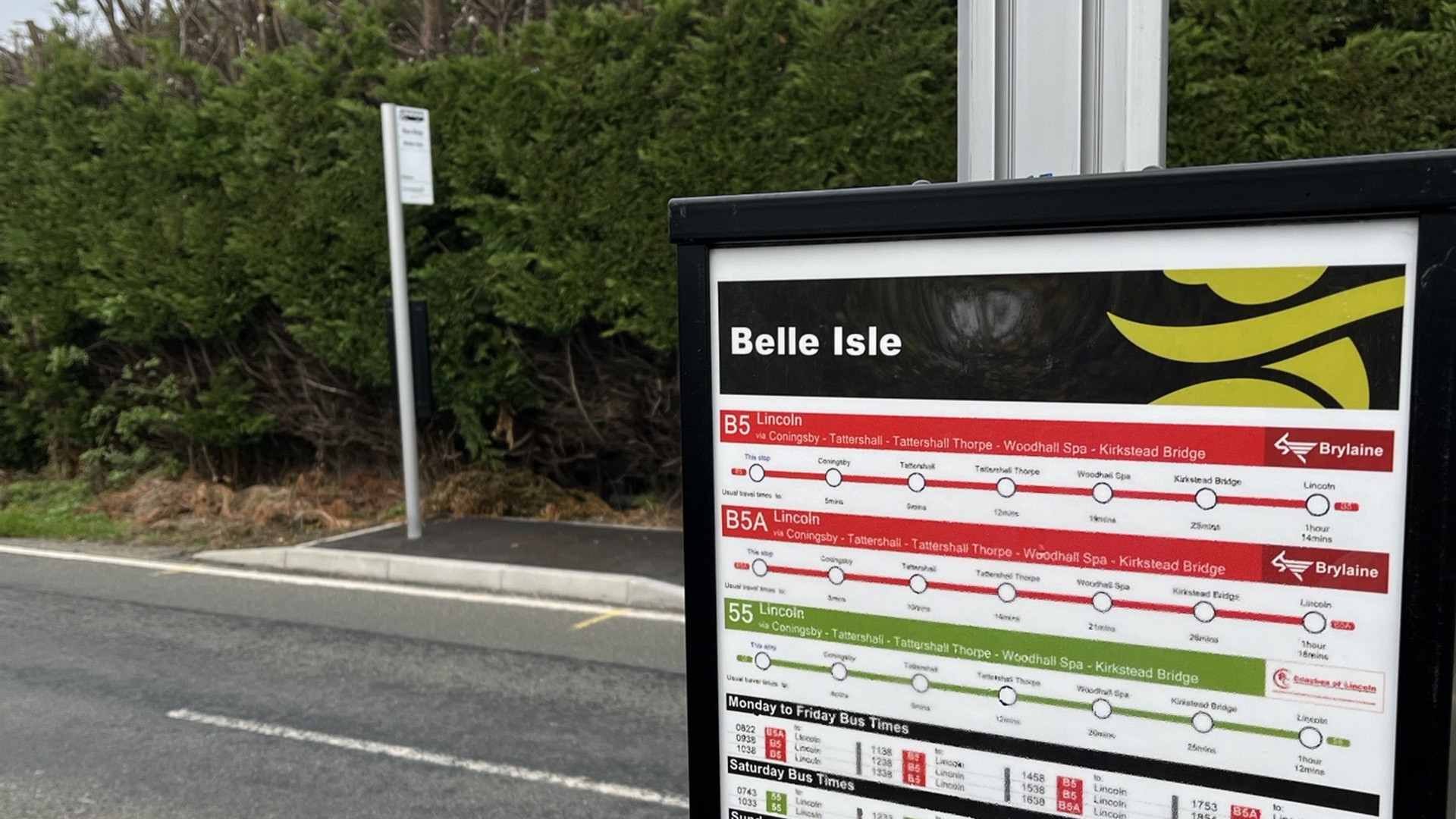
Lincolnshire County Council has installed ten new bus shelters and 33 new bus stop poles since early August, and refurbished four more shelters, in the latest round of a county-wide programme funded through the Government's Bus Service Improvement Plan (BSIP).
The council said the work provides better waiting facilities, clearer information and improved accessibility, and in some locations gives buses clearer stopping points.
Cllr Sean Matthews, Leader of Lincolnshire County Council, said: "People need to know where to wait, they need information they can rely on and they need facilities that are safe and comfortable to use."
He said the schemes "may seem straightforward, but they make a real difference to passengers and help remove some of the barriers that put people off using public transport."
The latest schemes
In Chapel St Leonards, the council installed a new shelter after the peak tourist season to minimise disruption. It said the shelter builds on earlier work at the site, including a real-time passenger information board and an audio information point installed last year.
In Dogdyke, a review of bus stopping arrangements led to new bus stop infrastructure, footpath improvements, hardstanding waiting areas and timetable displays. According to the council, the project followed initial engagement from a member of the public via its Fix My Street reporting platform in January.
The wider programme
The council said its bus infrastructure investment programme began in early 2024. Its lincsbus.com achievements page says it has worked with local bus operators and contractors since January 2024 on BSIP improvements.
The council's figures for the programme's reach vary between its publications. A March 2026 release said improvements had been made to more than 300 stops and shelters with seating had gone in at 67 locations. The lincsbus.com achievements page lists 495 accessible new stops and shelters installed, real-time information at 359 stops, 165 parishes with refurbished or new stops and shelters, 43 audio information points and £11.4m invested.
The March release also said that for the year to come work was continuing, with another 150 bus shelters due to be installed or refurbished and over 230 real-time displays across the county. Mike Reed, Head of Transport Services at Lincolnshire County Council, said at the time that the council would carry on installing new shelters and electronic departure boards.
The real-time display programme uses a mix of large TFT displays and battery-powered E-paper screens, the council said in February 2025, when it reported 12 large boards already running at larger bus stations and 151 displays to be fitted across the county.
The funding
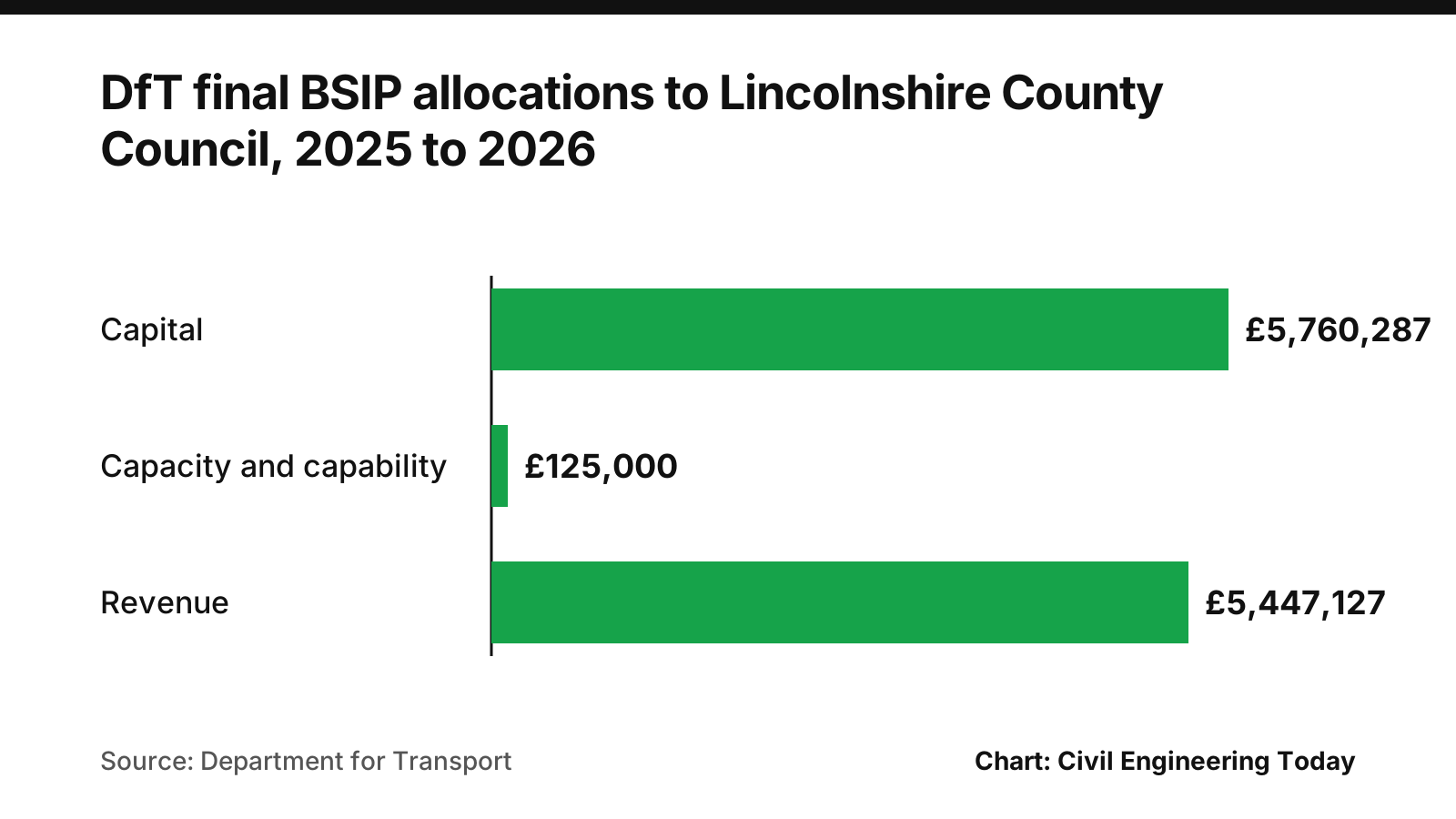
In November 2024 the council said it was getting nearly £12m of Government funding to improve bus provision. The Department for Transport's final BSIP allocations for 2025 to 2026 list the following for Lincolnshire County Council:
| Funding stream | Allocation |
|---|---|
| Capital | £5,760,287 |
| Capacity and capability | £125,000 |
| Revenue | £5,447,127 |
Who looks after the stops
Responsibility for the infrastructure is split. According to the council's lincsbus.com page on stops and shelters, bus shelters in Lincolnshire are owned and maintained by a mixture of local authorities and commercial organisations, while bus stop infrastructure such as poles, flags and timetable cases, along with real-time displays, is primarily maintained by the county council.
Local parishes can apply for up to £3,000 per shelter, the page says.
On the record: Department for Transport
Sources
- Lincolnshire County Council (opens in a new tab) (accessed 2026-11-15)
- Lincolnshire County Council (opens in a new tab) (accessed 2026-11-15)
- Lincolnshire County Council (opens in a new tab) (accessed 2026-11-15)
- Lincolnshire County Council (opens in a new tab) (accessed 2026-11-15)
- Department for Transport (GOV.UK) (opens in a new tab) (accessed 2026-11-15)
- Lincolnshire County Council (lincsbus.com) (opens in a new tab) (accessed 2026-11-15)
- Lincolnshire County Council (lincsbus.com) (opens in a new tab) (accessed 2026-11-15)
This story was researched from the primary sources above and checked against them before publication. Spotted an error? Tell us and we will correct it promptly.