rail
Network Rail to complete checks on 130 North West drainage and earthworks hot spots by end of October
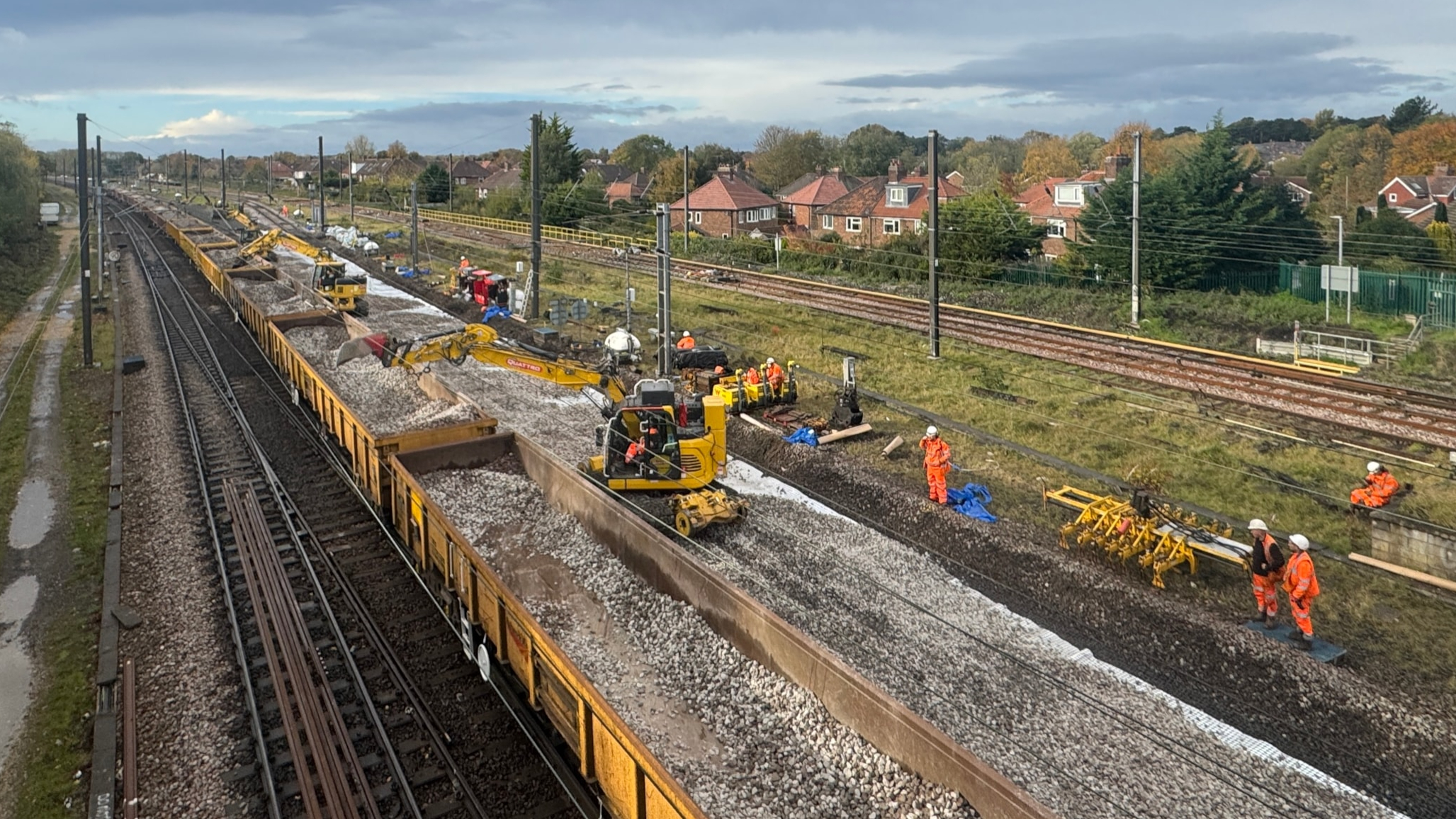
Network Rail and contractor QTS Group have been inspecting priority sites including Culcheth on the Chat Moss line, alongside a £41m earthworks programme and a £7.5m leaf-treatment operation.
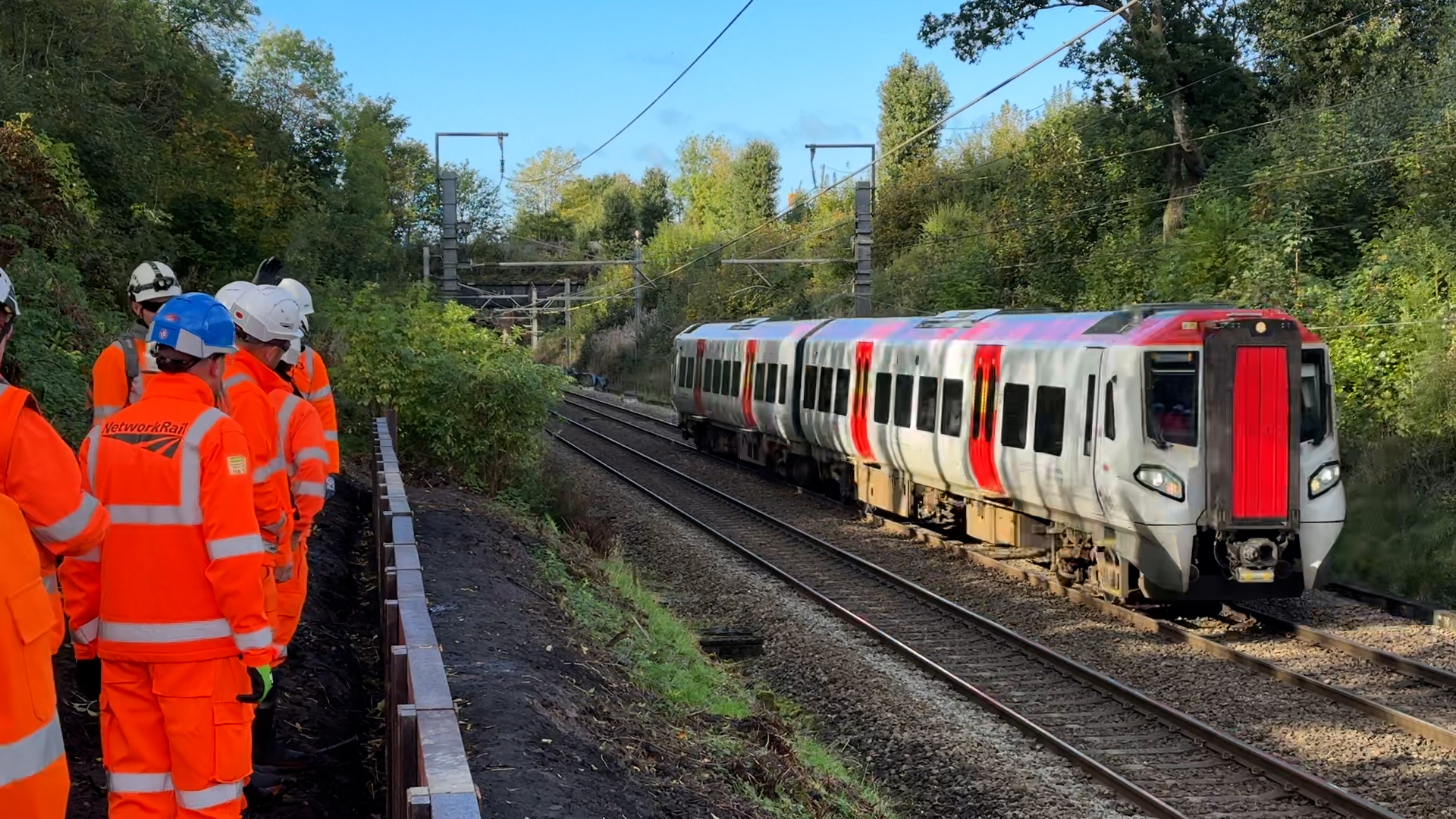
Network Rail said it will have inspected all 130 of its hot spot drainage and earthworks sites in the North West by the end of October, as it prepares the route for a winter it expects to be wetter than usual.
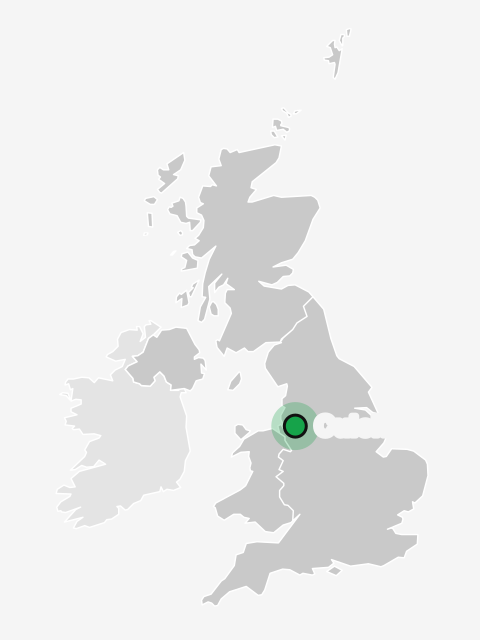
The infrastructure owner released footage on Wednesday 21 October showing its teams and contractor QTS Group inspecting the line at Culcheth, on the Chat Moss line between Liverpool and Warrington, as part of its weather resilience preparations.
Network Rail said the Culcheth section has been prone to flooding in the past and that more than £1.5m has been spent there since 2021 to address the problem. The line through Culcheth flooded on New Year's Day 2025, closing the Manchester to Liverpool route until repairs could be made.
Olivia Devan, Network Rail North West principal route engineer, said: "Safety is always our number one priority, and we've been working since the summer to get the railway ready for what's expected to be a very tough winter weather wise."
The Culcheth inspection
According to Network Rail, the team at Culcheth checked recently installed earthwork strengthening, clearance of overgrown plants and vegetation, drainage, and earth movement monitoring equipment.
The North West route has 65,000 individual drains, including ditches, pipes and culverts, for its asset management and maintenance teams to look after, the company said.
QTS Group describes itself on its website as a specialist railway contractor with more than 800 employees and 14 offices across the UK. QTS Group Ltd is a wholly owned subsidiary of Renew Holdings plc.
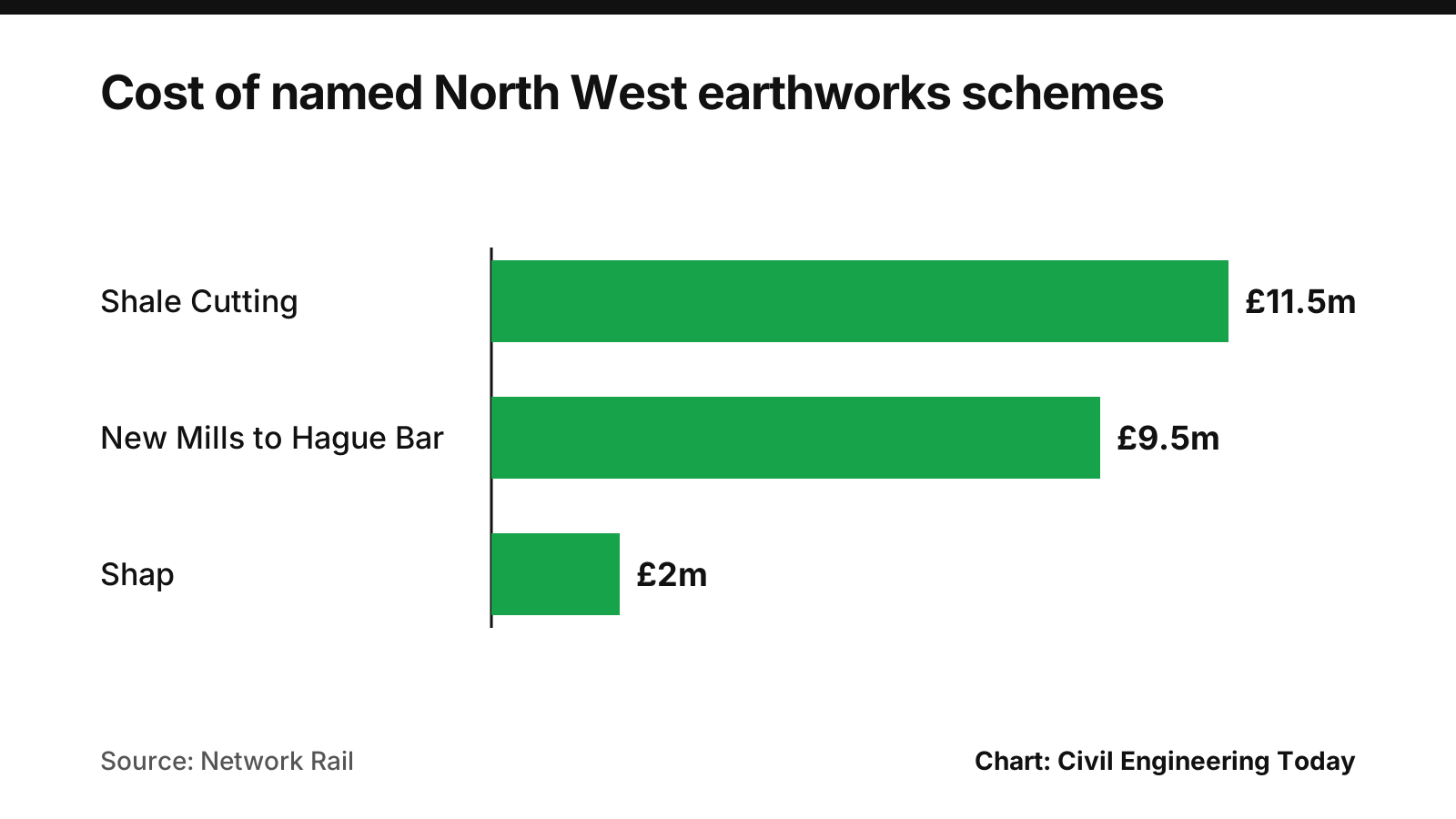
The £41m earthworks programme
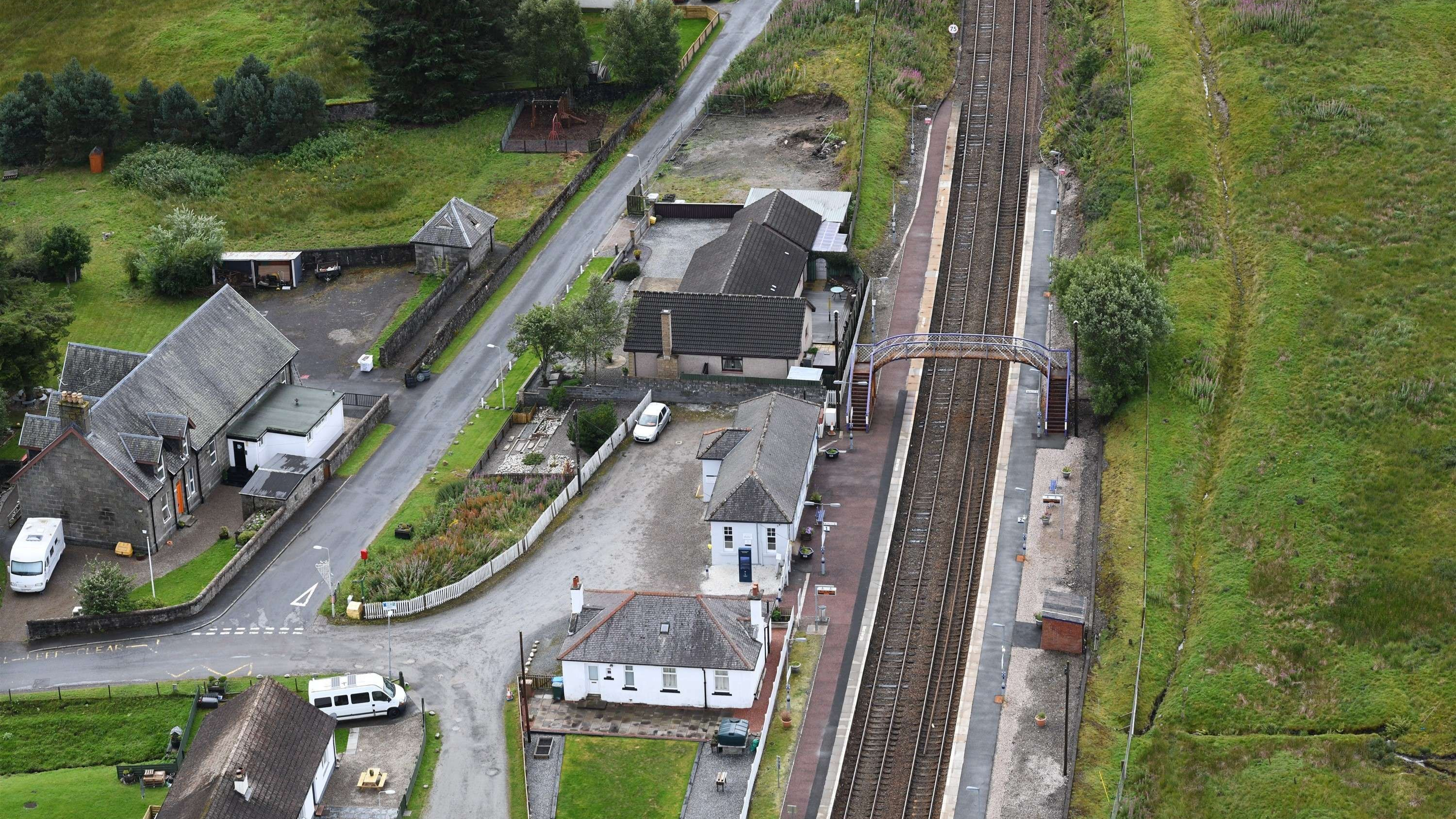
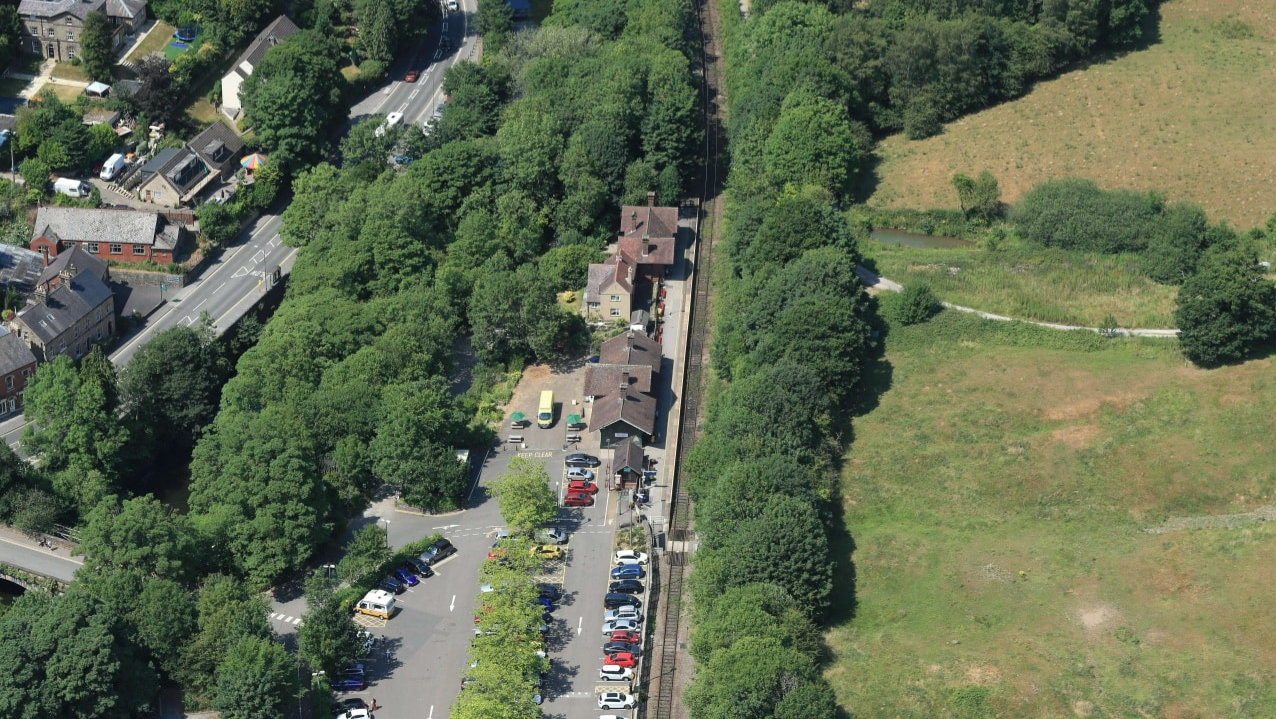
The inspections follow a £41m investment in earthworks schemes to strengthen embankments and cuttings across the North West, which Network Rail announced on 21 September.
| Scheme | Cost |
|---|---|
| Shale Cutting, Settle to Carlisle route (drainage and earth stabilisation) | £11.5m |
| New Mills to Hague Bar, Derbyshire (embankment upgrades) | £9.5m |
| Shap, West Coast Main Line, Cumbria (rock netting and anchors) | £2m |
Network Rail said the programme used railway drainage, rock netting, land regrading and strengthening systems known as soil nails and rock anchors.
Rob Stephens, Network Rail North West route engineering director, said the projects "have been prioritised to prevent disruption for passengers on some of our most exposed and remote sections of railway." He said teams across the network had also been clearing drains and cutting back overgrown trees in recent months.
Leaf-treatment trains
Network Rail's fleet of seven autumn treatment trains is already running across the North West. In its 1 October announcement the company said the trains would travel the region for ten weeks, covering just over 100,000 miles in total, with some running for up to 21 hours a day. The whole operation costs £7.5m.
A nozzle at the back of each train coats the rail in a gritty substance to improve traction for train wheels, Network Rail said.
The weather forecast
Network Rail said 40-60% more rainfall than usual is forecast because of El Niño, and that delays caused by flooding or fallen trees are likely this winter. Its notes to editors say the 2026 El Niño is expected to be the strongest on record and that such an event increases the likelihood of warmer, wetter and stormier conditions in the UK.
The Government Office for Science paper that Network Rail cites is more cautious. It says a significant El Niño is likely towards the end of 2026, with some forecasts predicting the strongest event on record, and that the National Oceanic and Atmospheric Administration (NOAA) gives a 63% chance of a very strong event.
The paper, which draws on a roundtable chaired by Professor Stephen Belcher, adds that the impacts of El Niño on UK weather are less certain and cannot be confidently predicted. It links stronger westerlies to increased storminess and a higher risk of heavy rainfall and flooding.
Network Rail describes climate change as one of the biggest challenges facing the railway, and its regions have Weather Resilience and Climate Change Adaptation Plans covering 2024 to 2029. The company produces an Adaptation Report for the Department for Environment, Food and Rural Affairs every five years under the Adaptation Reporting Power.
Network Rail advised passengers to check National Rail Enquiries before travelling when storms are forecast. The inspection programme is due to reach all 130 hot spot sites by 31 October.
Sources
- Network Rail (opens in a new tab) (accessed 2026-10-21)
- Network Rail (opens in a new tab) (accessed 2026-10-21)
- Network Rail (opens in a new tab) (accessed 2026-10-21)
- Network Rail (opens in a new tab) (accessed 2026-10-21)
- Network Rail (opens in a new tab) (accessed 2026-10-21)
- Government Office for Science (GOV.UK) (opens in a new tab) (accessed 2026-10-21)
- QTS Group (opens in a new tab) (accessed 2026-10-21)
This story was researched from the primary sources above and checked against them before publication. Spotted an error? Tell us and we will correct it promptly.