rail
Network Rail to vacuum out ballast and relay 50-year-old track at Lowestoft station
Engineers will use a vacuum machine to strip saturated, oil-contaminated ballast from platforms 2 and 3 during a four-day closure from 13 to 16 November, closing all lines into the Suffolk station.
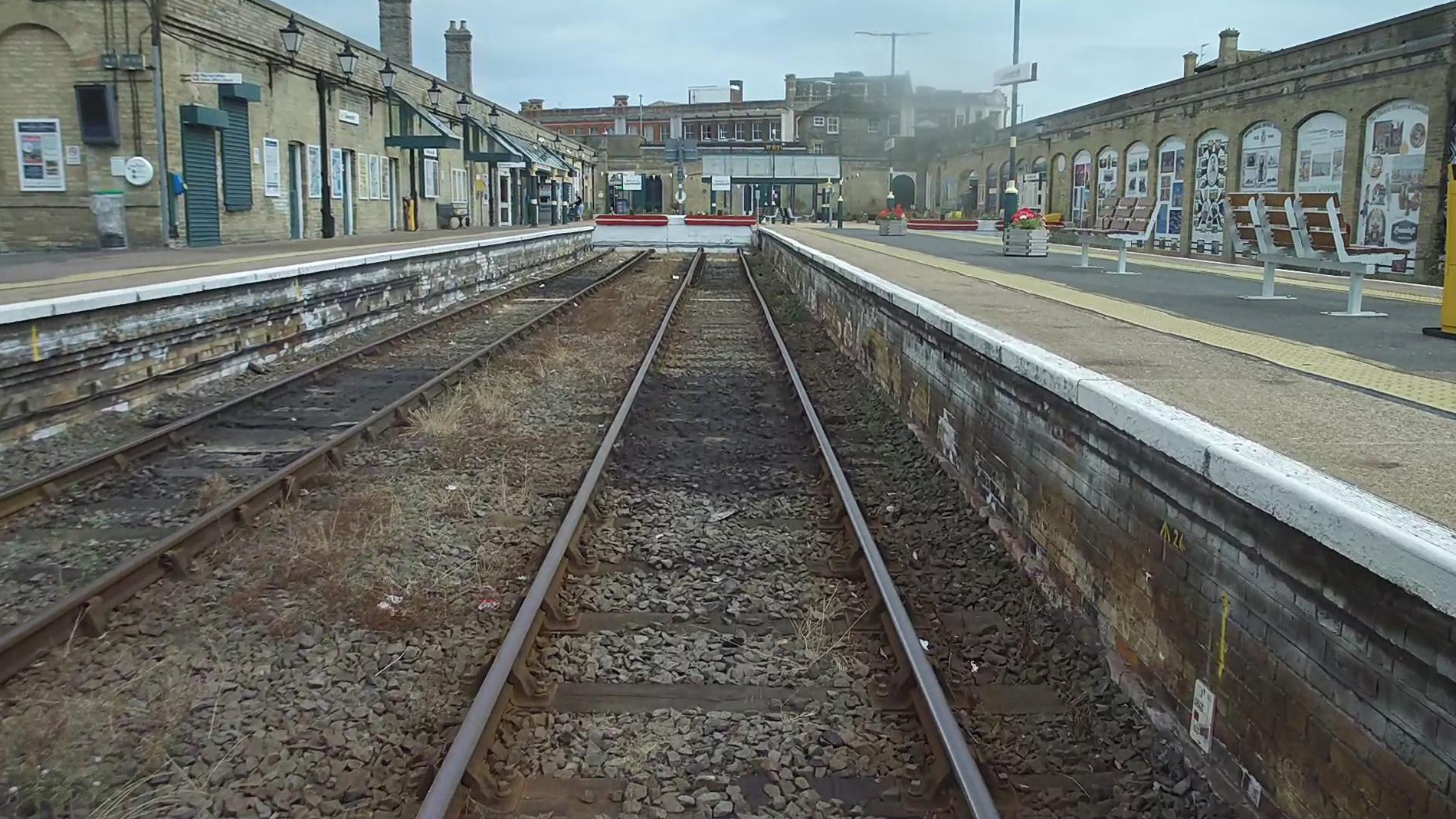
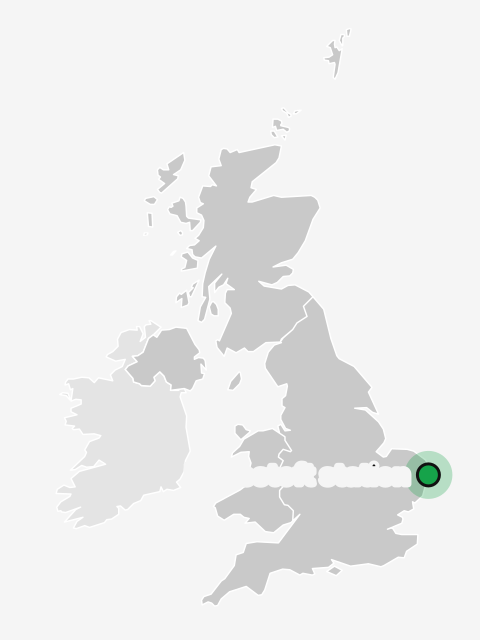
Network Rail will replace 50-year-old track in platforms 2 and 3 at Lowestoft station over four consecutive days from Friday 13 to Monday 16 November, closing all lines into the station from Norwich and Oulton Broad South.
The infrastructure owner said the ground beneath the rails is saturated in several places along the platforms, which is affecting the condition of the track and raising the likelihood of faults that cause disruption. Oil left by previous generations of trains is also visible, it said, and is contributing to the deterioration of the track bed.
Engineers will use a specialist vacuum machine to remove areas of old ballast before laying fresh material. Sleepers and rails will be replaced at various points within the platforms.
Joe Kennedy, Infrastructure Director working as part of GBR Anglia, said: "We're really sorry for the disruption, especially on the two weekdays, but this is a big job that we must get done to maintain a reliable railway."
The engineering case
Network Rail said Lowestoft has direct connections to both Norwich and Ipswich, so reducing faults there supports punctual journeys across the region.
Track renewal and modification was carried out at Lowestoft station during the 23-day Wherry lines closure that began on 1 February 2020, Network Rail said at the time. That programme also introduced a computer-controlled signalling system for the Wherry lines, operated from Colchester.
On the Ipswich side, Network Rail announced in September 2025 a planned nine-day closure of the East Suffolk line for track renewals. Simon Milburn, Network Rail's infrastructure director for Anglia, said in September 2025 that the investment was about securing the future of the East Suffolk line.
Service changes
Network Rail said services on both the Lowestoft to Norwich and Lowestoft to Ipswich lines will be affected across all four days. Buses will replace trains between Lowestoft and Norwich, between Lowestoft and Oulton Broad South, and between Reedham and Lingwood via Cantley. Network Rail's release also lists a Lowestoft to Haddiscoe bus on the Friday and Monday only.
Trains will continue to run between Ipswich and Oulton Broad South and between Norwich and Great Yarmouth. National Rail's engineering notice says Norwich to Great Yarmouth trains will run via Acle only, with no trains via Reedham, and warns that replacement buses may be busier than usual, so passengers should allow extra time.
GBR Anglia
Network Rail describes GBR Anglia as bringing c2c, Greater Anglia and Network Rail Anglia together under a single structure on the way to Great British Railways, with the three organisations increasingly planning and delivering as one railway.
Greater Anglia's services became the third to enter public ownership on Sunday 12 October 2025, according to the Department for Transport, which said 93.9% of the operator's trains arrived within three minutes between April 2024 and March 2025. The department said Jamie Burles would establish a unified single Executive Leadership Team covering Network Rail Anglia, c2c and Greater Anglia.
When the unified leadership team was launched in May 2026, Network Rail said there would be no immediate changes to services, branding or the way customers travel. Rail Minister Lord Hendy said at the unveiling of the first Great British Railways trains for Anglia that "Track and train are two sides of the same coin".
The Lowestoft possession starts on Friday 13 November and ends on Monday 16 November 2026, with Network Rail directing passengers to check before travelling.
On the record: Department for Transport
Sources
- Network Rail (opens in a new tab) (accessed 2026-10-30)
- National Rail Enquiries (opens in a new tab) (accessed 2026-10-30)
- Network Rail (opens in a new tab) (accessed 2026-10-30)
- Network Rail (opens in a new tab) (accessed 2026-10-30)
- Department for Transport (GOV.UK) (opens in a new tab) (accessed 2026-10-30)
- Network Rail (opens in a new tab) (accessed 2026-10-30)
- Network Rail (opens in a new tab) (accessed 2026-10-30)
This story was researched from the primary sources above and checked against them before publication. Spotted an error? Tell us and we will correct it promptly.