roads
Home Office revokes approval of National Highways variable speed cameras as Westall Review published
National Highways is ending its enforcement contract with supplier Verra Mobility after the Home Office withdrew type approval from the camera system at the centre of a fault traced to a 2019 upgrade.
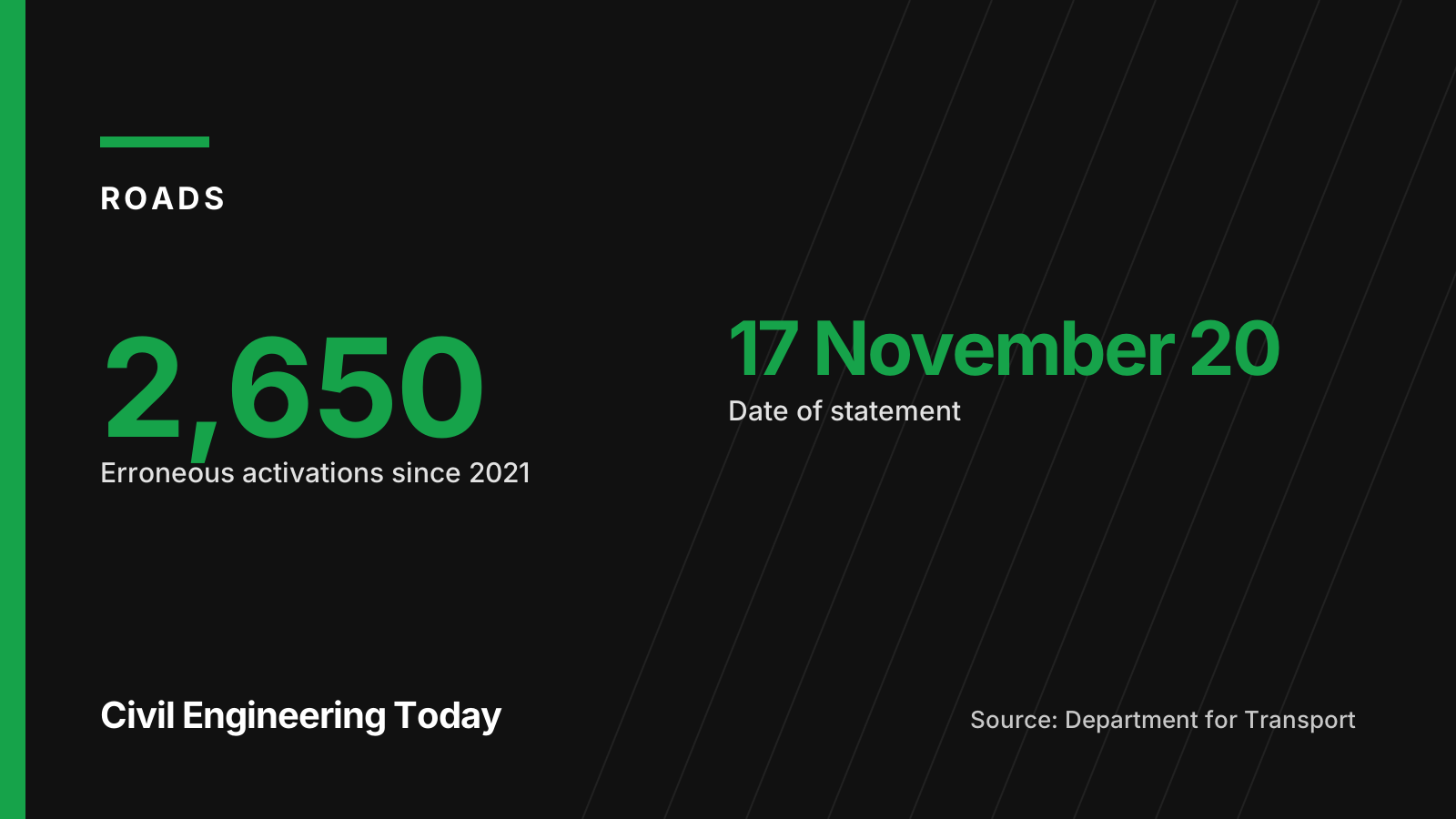
The Home Office has revoked the type approval of the variable speed camera system used on England's strategic road network, and National Highways is ending its enforcement contract with the device supplier, Verra Mobility, the Department for Transport (DfT) told Parliament on 17 November 2026.
In a written statement, roads minister Justin Madders MP said the Home Office had concluded that the issues with the camera could not be addressed to its satisfaction in any reasonable timeframe. Type approval allows camera data to be more easily admitted as evidence of fact in certain legal proceedings.
National Highways procured the system on the basis that it kept its Home Office type approval, the statement said. With that no longer the case, the company is ending its contractual relationship with Verra Mobility for use of the cameras for enforcement and is considering all further commercial and legal options that may be appropriate.
Madders said: "I want to reiterate that this issue affects a very small number of cameras on a limited proportion of the strategic road network. Drivers will see no difference in the way they use roads."
The fault
The original anomaly, which the DfT said originated in the upgrade and installation of the camera system that began in 2019, concerned the interaction between variable speed limit signs and enforcement cameras. According to the DfT and National Highways report publication page, rapid changes to displayed speed limits were not recognised by the camera system in specific circumstances.
The terms of reference for the independent review, published by the DfT, recorded about 2,650 erroneous activations on affected roads since 2021. Both the November 2026 statement and the December 2025 statement to Parliament said the affected cameras were used on around 0.2% of all roads in England.
Since the anomaly was identified, National Highways has carried out technical and operational testing with the Home Office. The DfT said that work had brought to light a potential further issue with how the cameras may activate in specific circumstances, again originating from the 2019 upgrade.
National Highways' modelling put the probability of the operational circumstances that could cause this further error at no more than 0.1%, and the DfT said there was no real-world evidence that it had affected enforcement.
The position has moved since December 2025. In his statement then, the previous minister, Simon Lightwood MP, told Parliament that a Home Office-approved solution to the issue had been agreed, instructed National Highways to continue its investigations back to 2019 and confirmed the government would provide financial redress to those wrongly penalised. The November statement said everyone identified and contacted has been offered redress and that this will continue for eligible individuals.
Interim enforcement
National Highways has put further traffic officer service patrols in place at the relevant sites and is using existing CCTV cameras to help monitor the network and compliance, the DfT said.
Existing stopped vehicle detection radars on all lane running sections and emergency areas, and existing ANPR (automatic number plate recognition) cameras, remain in use to identify offenders. Variable speed signage will continue to be used to manage safety, control traffic flow and reduce congestion.
Madders said: "In short: if you break the law you should expect to be subject to enforcement action."
The Westall Review
The DfT published the Westall Review report on the same day. The review was commissioned by the Secretary of State for Transport and led by Tracy Westall, and was expected at the outset to take at least 18 weeks.
According to the DfT, the review examined how the original anomaly occurred and how it was handled after discovery, including missed opportunities to identify, investigate and escalate the issue. Its scope included the processes National Highways' executive and board followed when assuring the work of suppliers.
The report identifies lessons for National Highways on corporate governance, crisis management processes, data and technology management and stakeholder engagement, and makes recommendations across seven themes, including procurement and contracting, critical systems, and legal advice and support.
After the further potential issue emerged, Westall reconsidered her recommendations and concluded they remain valid and unchanged, the DfT said.
The government has accepted the recommendations. National Highways has also accepted them and has begun implementing the improvements, building on steps already taken. The DfT said it will monitor National Highways' progress and hold it accountable through its existing sponsorship arrangements.
Madders was appointed Parliamentary Under-Secretary of State at the DfT on 22 July 2026 and holds the title Minister for Roads.
On the record: Department for Transport
Sources
- Department for Transport (GOV.UK) (opens in a new tab) (accessed 2026-11-18)
- Department for Transport and National Highways (GOV.UK) (opens in a new tab) (accessed 2026-11-18)
- Department for Transport (GOV.UK) (opens in a new tab) (accessed 2026-11-18)
- Department for Transport (GOV.UK) (opens in a new tab) (accessed 2026-11-18)
- GOV.UK (opens in a new tab) (accessed 2026-11-18)
This story was researched from the primary sources above and checked against them before publication. Spotted an error? Tell us and we will correct it promptly.