rail
TRU buys 26 biodiversity units from Leeds City Council for Barnbow woodland work
Network Rail's Transpennine Route Upgrade has completed its first purchase of biodiversity units, backing a 30-year enhancement of 8.32 hectares of woodland at Barnbow, east of Cross Gates station.
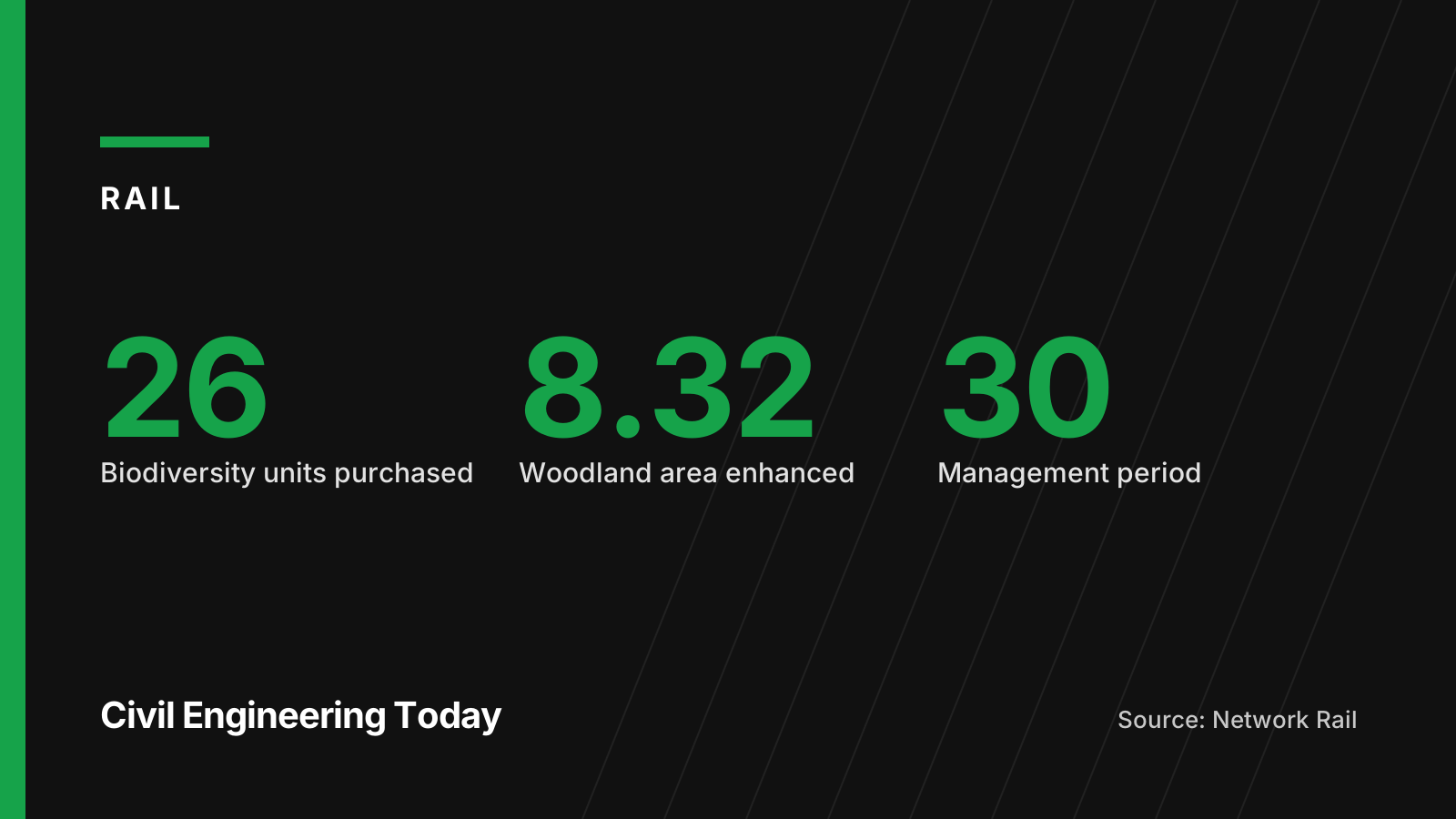
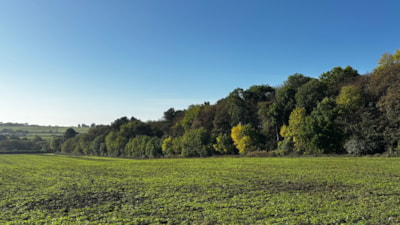
The Transpennine Route Upgrade (TRU) has completed the purchase of 26 biodiversity units from Leeds City Council to fund habitat enhancement at Barnbow Woods and Barnbow Hall Woods, Network Rail announced on 15 October.
Network Rail said the deal will deliver 8.32 hectares of long-term woodland enhancement, which it described as equivalent to 11 football pitches, in support of the programme's commitment to 10% biodiversity net gain (BNG).
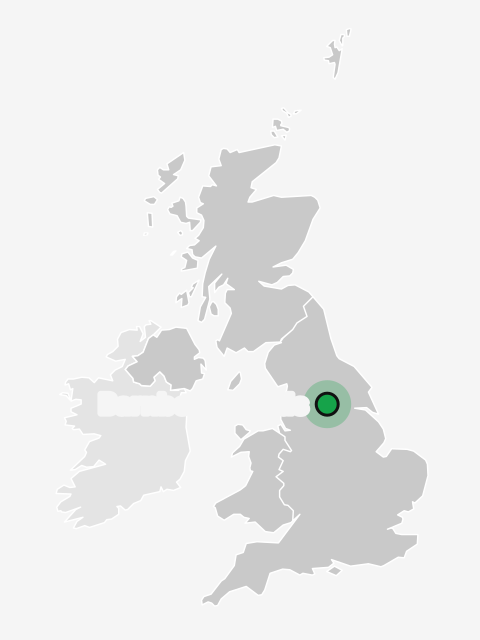
The woodland sits about 500m from the Transpennine route and about 3km east of Cross Gates station. It will receive a 30-year habitat creation and management programme funded entirely by TRU, which Network Rail said will improve species richness, diversity and abundance through enrichment planting and tree veteranisation.
Simon Hughes, TRU East Environment & Sustainability Lead, said: "This is the first delivery of biodiversity units across the TRU programme, which will pave the way for future biodiversity agreements, to take us closer to achieving 10% BNG as we continue to deliver against Our Guiding Compass."
Hughes also described the deal as the tenth largest biodiversity purchase to date in England, and said work began in May 2025 and will continue until at least 2055. The release does not say when the agreement was signed in relation to the start of works.
The site
Network Rail said the woodland is reached by a series of public footpaths and will act as a community asset, giving local people improved access to nature along with educational and mental health benefits.
TRU met Councillor Katie Dye, Chair of Leeds City Council's Climate Emergency Advisory Committee, on site to see work already under way and to be briefed on what comes next.
Dye said: "This project will support and sustain these areas for decades, providing wildlife benefits as well as helping to reduce flood risk, support carbon capture and limiting the impacts of climate change".
The council's habitat bank
Leeds City Council sells BNG units through Leeds Habitat Company, a habitat banking vehicle wholly owned by the council and set up to sell units from 2025, according to the council's own guidance.
All land used by the company to deliver BNG is owned by the council, and the company takes on the full 30-year management, monitoring and reporting requirements of the units it sells, which the council says are compliant with the Environment Act 2021. Its units include habitat, hedgerow and watercourse units such as lowland meadow, broadleaved woodland and ponds.
In June 2025 the council named Rothwell Country Park, Skelton Lake, Killingbeck Fields and Otley Chevin Forest Park among the sites being improved through the company. Councillor Mohammed Rafique, the council's executive member for climate, energy, environment and green space, said at the time the council was pleased with its pilot BNG scheme.
The policy context
Government guidance from the Department for Environment, Food and Rural Affairs defines BNG as leaving habitats in a measurably better state than before development. Under the statutory regime developers must deliver a 10% gain, and habitats created or enhanced must be maintained for at least 30 years. From 6 August 2026, BNG does not apply to planning applications for developments of 0.2 hectares or below.
Network Rail launched Our Guiding Compass, the TRU sustainability strategy, on 16 May 2023 with a 10% net gain of biodiversity among its commitments. The strategy runs to 2035 with annual progress reporting, and Network Rail said the programme's approach to BNG will set a new standard for future Network Rail projects nationwide.
Network Rail's December 2024 release on the first TRU Sustainable Development Report set out the strategy's four pillars: Northern jobs, enhancing the environment, customer satisfaction and communities. At that point TRU had employed 270 apprentices against a target of 590 by programme completion, and had achieved BREEAM Infrastructure 'Excellent' ratings for the Leeds Station Capacity Project and works between Manchester Victoria and Stalybridge. The programme aims to cut 230,000 tonnes of CO2e by 2035 and save six million tonnes over 60 years.
The wider programme
TRU is a multi-billion-pound programme connecting Manchester, Huddersfield, Leeds and York. Network Rail said 25% of the route is now electrified, with electric services running between Manchester and Stalybridge and between York and Church Fenton, and there are 70 worksites across the 70-mile route.
The programme employs more than 5,000 staff, 85% of them from within 40 miles of the route, and Network Rail said it will have created more than 8,000 jobs over its duration. It will improve all 23 stations on the route and open 15 extra freight paths, widening tunnels so containers can move between east and west coast ports by rail, which Network Rail said will remove more than 1,000 lorries a day from Pennine roads.
Milestones to date include new stations at Mirfield and Morley, a £100m upgrade of diversionary routes and completion of the Hope Valley line upgrade. Management of the Barnbow woodland under the new agreement is due to run until at least 2055.
Sources
- Network Rail (opens in a new tab) (accessed 2026-10-16)
- Network Rail (opens in a new tab) (accessed 2026-10-16)
- Network Rail (opens in a new tab) (accessed 2026-10-16)
- Transpennine Route Upgrade (opens in a new tab) (accessed 2026-10-16)
- Leeds City Council (opens in a new tab) (accessed 2026-10-16)
- Leeds City Council (opens in a new tab) (accessed 2026-10-16)
- GOV.UK (Department for Environment, Food and Rural Affairs) (opens in a new tab) (accessed 2026-10-16)
This story was researched from the primary sources above and checked against them before publication. Spotted an error? Tell us and we will correct it promptly.